On to Aqaba for some rum drinks and Cosmo Tidbits
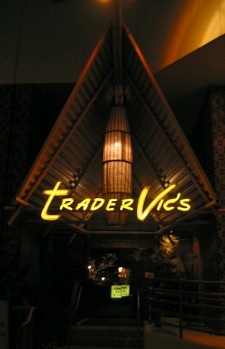
 Many moons ago, when the flame of stupidity burned hotter than it does now and the call of mischief was considerably louder, I used to roll into Trader Vic’s in Beverly Hills at Merv’s place, the venerable Beverly Hilton. I
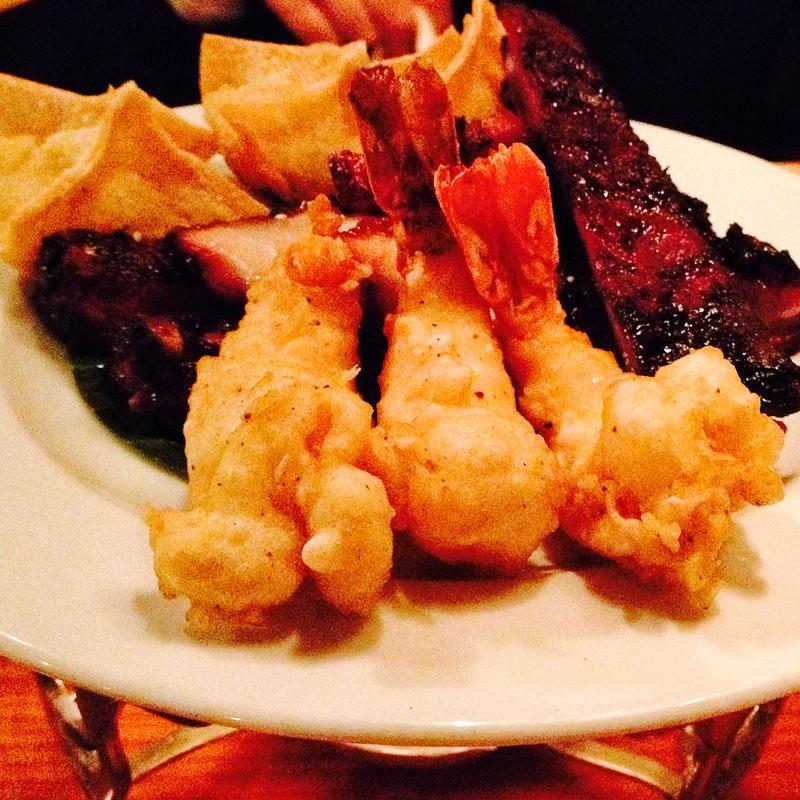
  would throw down a river of Samoan Fog-Cutters and if the timing was right, I’d order something called Cosmo Tidbits. Never found out who Cosmo was (Cosmo Topper ?), but I always enjoyed his tidbits:
crispy rolls of Asian delights, ribs bathed in red dye number 2, enough deep fried grooves to make Orson Wells cry with happiness and perfect if you’re a quart low.
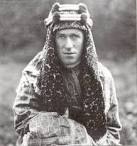 So in honor of Cosmo here are a couple of History’s tidbits: 1) Lawrence of Arabia was called Ned by his family (Ned of Arabia?) and only became famous after WWI because he was featured in a 1919 lecture tour by American war corespondent Lowell Thomas. Unlike the 6 foot 3 inch Peter O’Toole who portrayed him in the 1962 epic “Lawrence of Arabia” (the film is unusual because there are no women with speaking credits), the real Lawrence was just 5’4″ and was very self conscience of his diminutive stature. He refused knighthood because of his belief that the British government betrayed the Arabs, but he did join both the Royal tank corp and the Royal Air Force under assumed names to dodge the glare of celebrity and lived under assumed names until his death. Lawrence
  worked for and became great friends with Winston Churchill, who upon hearing of Ned’s passing said “I deem him one of the greatest beings alive in our time.” Lawrence died in a motorcycle accident in 1936 at the age of 46 and the surgeon who tried to save his life, Dr. Hugh Cairns, then developed some of the first crash helmets for motorcycle riders.
 2) The Statue of Liberty’s full name is Liberty Enlightening the World, or as I call her, Lew. She was given to us as a gift from France in 1886 and was designed by Fred Bartholdi. Lew’s shoe size is a 879 wide. Gus Eiffel, of Eiffel Tower fame (1889) was the cat who built the metal frame work
 that holds the copper skin of Lew. Gus was later found guilty of misappropriation of funds during France’s failed attempt at the Panama canal, but never did a stretch in the Big House because of a technicality. If you hold 2 pennies together that is the thickness of the copper skin on Lew (3/32 of an inch). Lew was slightly injured when some wacked out German saboteurs set off a bomb in 1916, but she shrugged it off and has been looking
 really good for a gal 128 years old (a bit on the stiff side, but still very cool.)
It has been a long time since I’ve been to Trader Vic’s and perhaps it is time to return. I first went there as a young tot with my Grandpa Dan, who was a dapper gentleman, both kind and generous. I think a few Samoan Fog-Cutters are in order, so if anyone would like to join me, please let me know. It’s time that we throw down some sweet Rum mystery, order up a  couple of Cosmo Tidbits and make numerous toasts to Ned, Lew, and Granpa Dan. Besides, right around now I am feeling a quart low. Groove.

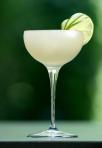 deft hands to create a superbly delicate compound as a prelim liquid that would send us off into the evening. Rum, which is the pillar of Daiquiris goodness, is a dangerous agent which bows to the power of a contemptuous indifference to fate, sets the mind and body free of responsibility, obliterating memory of today and tomorrow, gives an adventurous feeling of superiority, vanquishes all fears and doubts, and in some cases allows the consumer to change his name, or at least add a new one. Could a liquid be any finer ?
 Grog, which is basically rum diluted by water with occasional citrus to prevent scurvy, is associated with the bad boys of the seas: Pirates. But in reality, Grog came well after the Happy Days of the likes of Capt. Morgan, Blackbeard, and other pirates. In 1740, the British Navy would issue a daily dram of grog as a moral booster to the swabs and it was unknown what was the strength of the concoction. The Sikes hydrometer, which measured alcohol content, was invented in 1816, but prior to that the alcohol content was determined by mixing the spirit with a few grains of gunpowder then subjecting the grog to the focused rays of the sun under a magnifier. If the gunpowder managed to ignite, but the liquid didn’t flare up, this was “proof” of its proper alcohol content. Even diluted, the grog ration was the equivalent to about five cocktails per day and by the 1950s only a third of the British sailors took advantage of their grog tot. As naval operations became more
  complex with computers and missile systems, the daily grog rations made less sense than when all the sailors had to do was haul around buckets of tar. Finally, on July 31, 1970, what is known in British naval circles as Black Tot Day, the final ration was given to the British sailors. With black arm bands, heavy hearts, and a 21 gun salute – the Grog rations were over after 325 years.
 Capt. Morgan rum is the number 2 rum in the world (Bacardi number 1) which accounts for one-third of the billion dollar rum market. It was introduced in the U.S. all the way back in 1949 by Seagrams and is now owned by Diageo which is the largest producer of liquior in the world. Other Diageo brands include the best selling vodka in the world Smirnoff, the two top Scotches Johnnie Walker and J&B , the leading stout Guinness, and the number 1 liqueur Baileys Irish Creme. The ten largest producers of booze in the world own 70% of all liquor brands and that concentration is sure to rise.

 GrooveCentralLA